
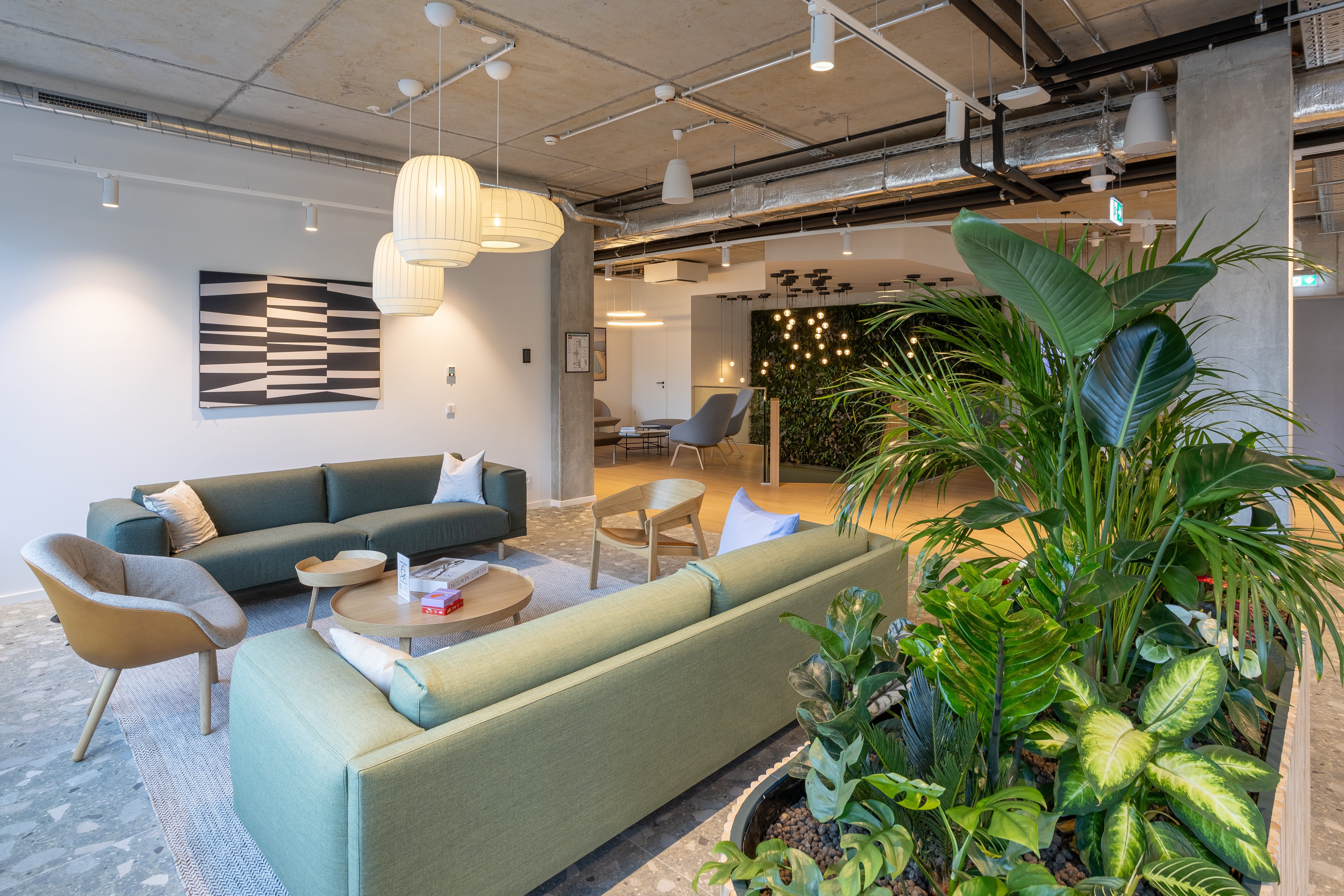
There was a time, not long ago, when the idea that “work” and “wellbeing” belonged in the same sentence was unthinkable. Go back thirty years to grey boxes, rigid rows of desks, and the low hum of hanging fluorescent lights, and you’re unlikely to hear anyone openly discussing “reducing stress in the workplace”.
Thankfully, the tides are turning and employers have started to recognise the importance of wellness, and the role it plays in improving productivity. In fact, a report by the Chartered Institute of Personnel and Development (CIPD) found that organisations with a wellbeing strategy have increased from 44% in 2020 to 57% in 2025, demonstrating this growing understanding.
It’s vital that workspaces take steps to encourage this trend, especially since the report also found that poor mental health was overwhelmingly the leading cause of long-term absence from work.
Flexible workspaces must play their part in bridging the gap between life and work in a way that maximises wellbeing and productivity. At beyond we’re always looking for new ways to encourage wellness and improve the wellbeing of our members. Here are some tips to improve shared workspaces.
What are the solutions to workplace stress?
The pressures of deadlines and workloads are somewhat inevitable, but many daily stressors are triggered, or amplified, by poorly designed work environments.
From harsh lighting to excessive noise, the physical space can unknowingly chip away at your focus and energy. On top of that, failure to integrate the right technology into the workspace, such as digital booking systems for meeting rooms and desks, can unnecessarily frustrate simple daily tasks.
When done well, these tools create seamless and predictable experiences that help flexible workspaces support their members. In turn, thoughtful and strategic design can create a sense of balance that lowers stress across the workspace.
How workplaces can utilise tech to improve office wellbeing
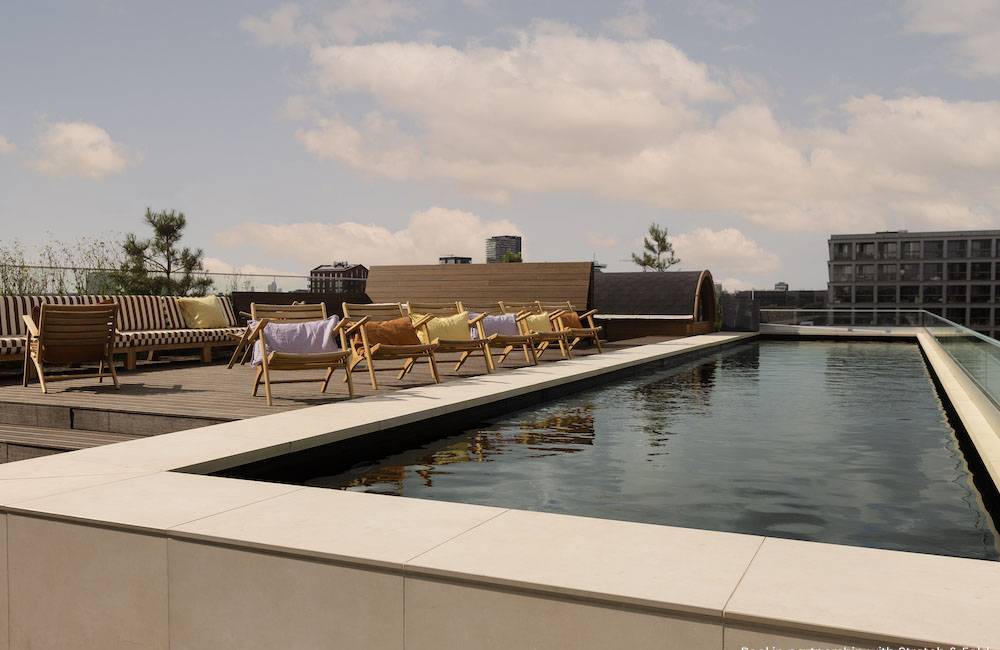
I
t’s not just about having the latest macbook; responsive and reliable digital tools can make or break a workspace.
Super-fast WiFi is a must – especially in a shared office where usage demands shift throughout the day and week. With multiple members logging on, streaming, designing, presenting, or running remote meetings, connectivity needs to be stable, high-capacity, and ready to scale on any given day.
Smart meeting-room tech, app-based room booking, and wireless screen-sharing, all contribute to smoother workflows and fewer interruptions, letting people stay in flow for the whole day.
How to design an office to support wellbeing
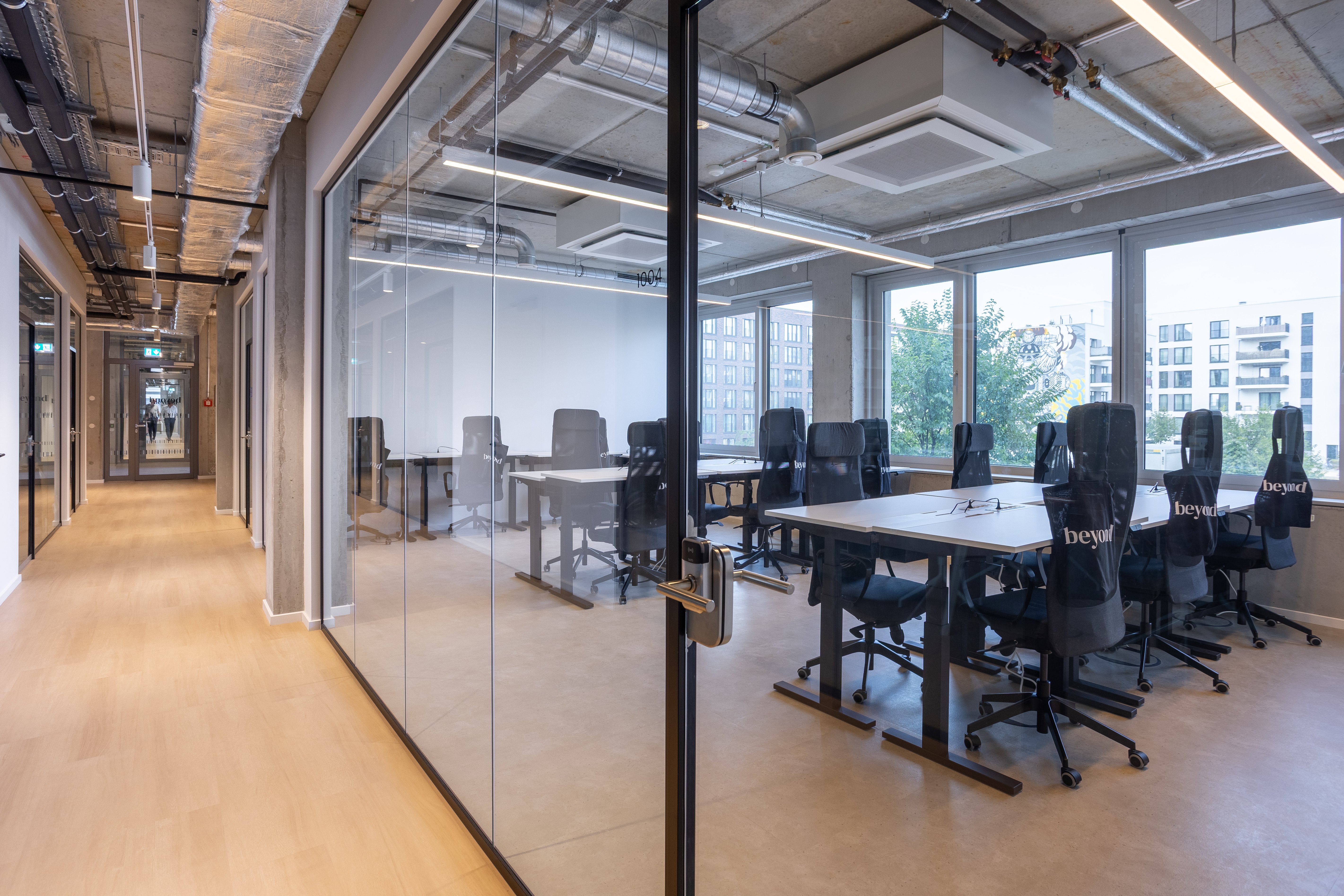
Wellbeing office design plays a crucial role in reducing stress in the workplace. Key design essentials include:
- Ergonomic furniture: Physical wellbeing is just as important as mental wellbeing. If you’re sitting in a chair for eight hours a day, it needs to be comfortable and support your posture. Standing desks can provide further support, especially if you switch back and forth throughout the day.
- Natural Lighting: Large windows are a must – floor to ceiling are ideal but anything that lets as much natural light in as possible will be beneficial for boosting your mood and improving concentration.
- Thoughtful layout: Group projects, formal client meetings, and social gatherings – a flexible layout must accommodate all these needs and more. Additionally, social spaces that encourage interaction, like lounge areas with a coffee machine or bar (or both!), can give you room to pause, reset, and connect with others.
Quiet zones provide another antidote to stress. Silent areas can provide time and space for deep focus and to decompress. It's also important to open the door for other services to have a presence in the workspace. For example, when members can access massage bookings or a hairdresser on site, it removes every day barriers (like not enough time for work and selfcare) and makes healthy routines far more achievable.
Similarly, hosting health events from the workspace, such as running groups or yoga classes can help strengthen community while also encouraging healthy habits.
Prioritise wellbeing with flexible workspaces
Monotonous working environments can become a thing of the past and flexible workspaces are leading the charge with wellbeing-led office design.
Across our global locations, we design our spaces around maximising our members' wellbeing, through workspace environments that improve focus, reduce stress, and support a healthier way of working.
Looking for a private office or shared workspace that works for your employees, not against them? Find a space today.